16
Years abroad
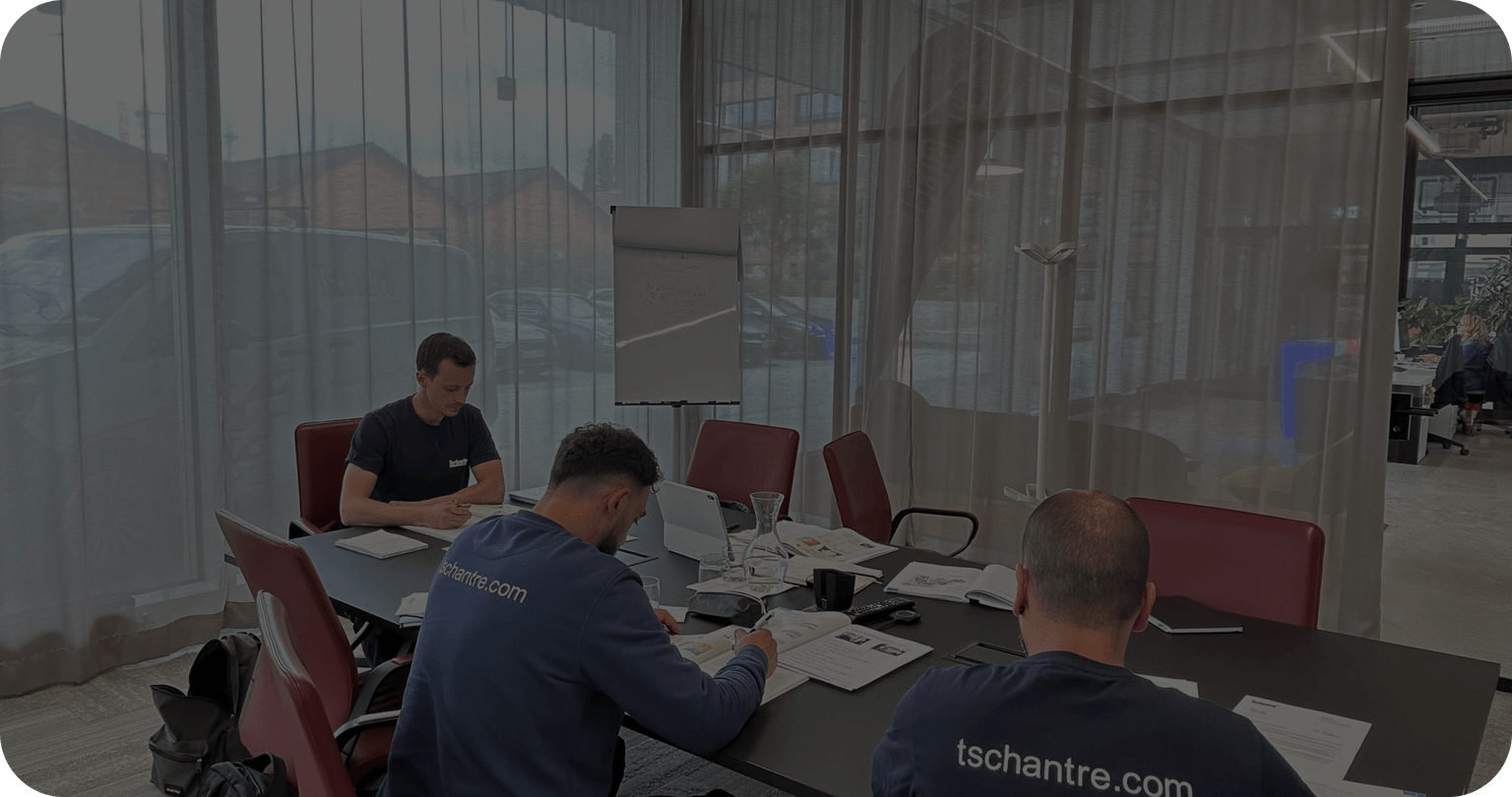
I teach private and corporate clients with tailored lessons, passion, and fun. Learn from someone who doesn't just teach language — she lives it.
„Whether you want to learn a new language, improve your skills, or simply have a conversation — you're in the right place with me."
Viviane
Viviane Baier-Angi
16
Years abroad
100%
Commitment to my students
40
Years fascinated by languages
4000+
Lessons taught
5
Languages spoken fluently
999+
Students taught
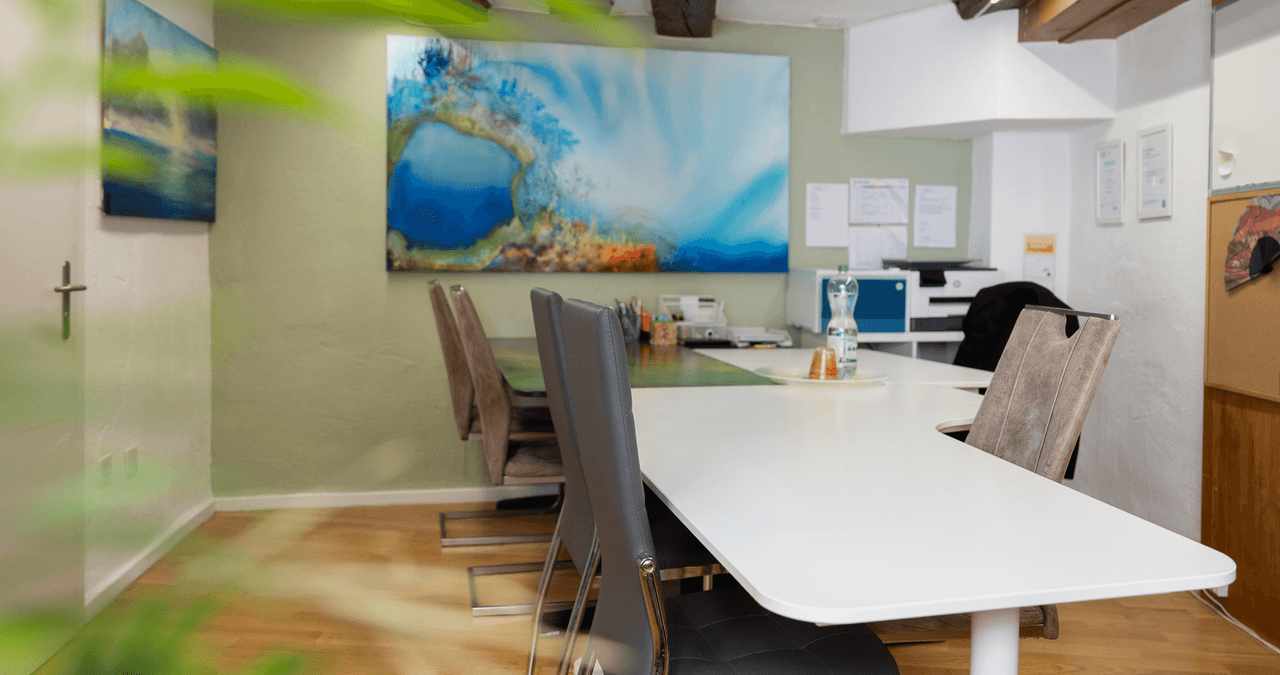
You don't learn languages from textbooks alone. You have to experience them.
A language is not just grammar and vocabulary. It is the breath of a culture, the way people think and speak together. I grew up bilingual and lived for more than sixteen years in Malta, the Dominican Republic, the Maldives, and Tenerife.
There I learned that you only truly understand a language when you live it — when you speak it in everyday life, when you fail and try again, when you laugh and are understood. That experience shaped my view of languages.
Because above all, language means one thing: connection between people.
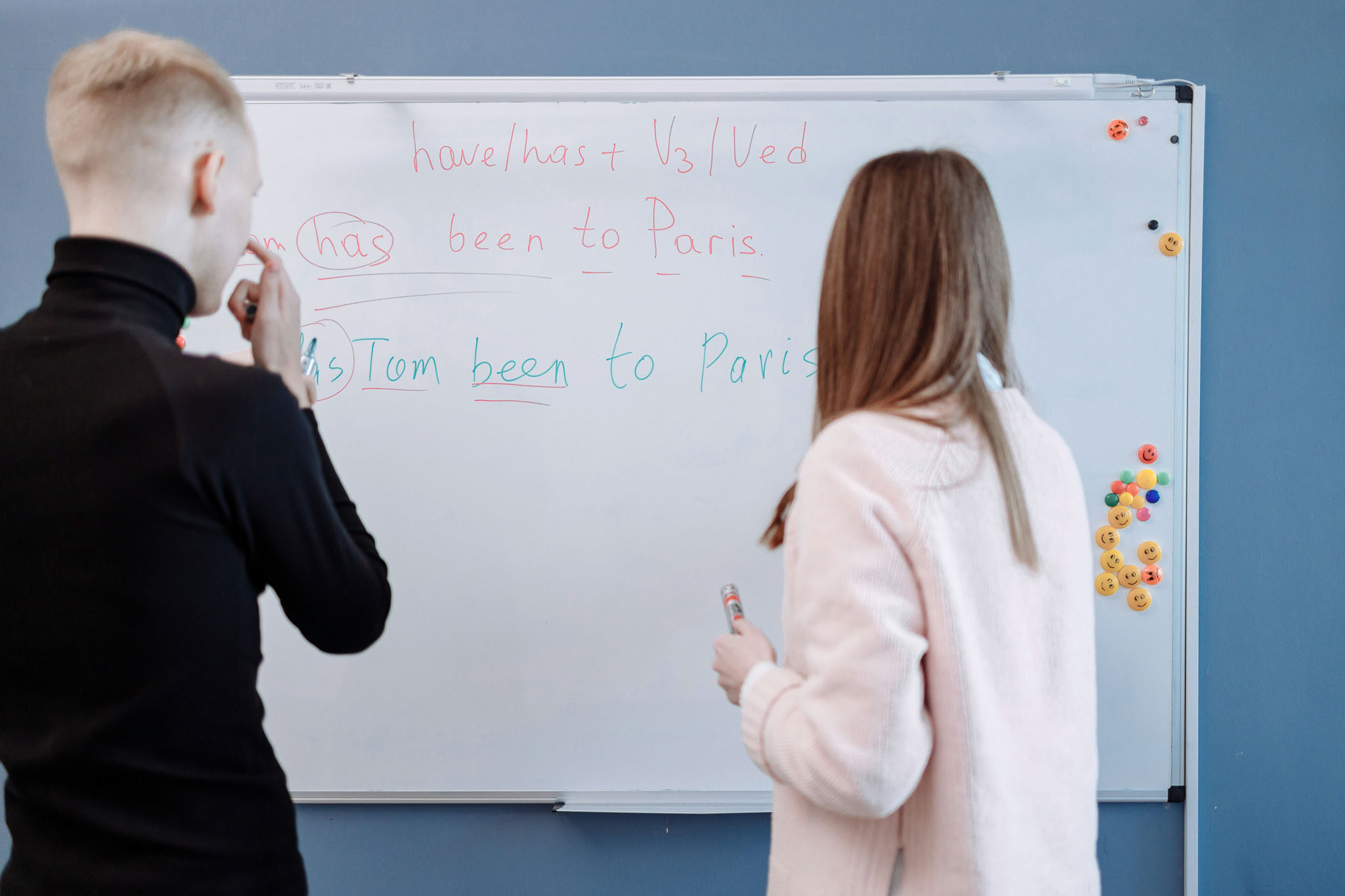
If you speak the language of a country, you experience encounters differently. Conversations become more personal, trust builds faster, and you understand not only words but also ways of thinking and perspectives.
During my time abroad I repeatedly experienced how many doors language can open — to new friendships, career opportunities, and international collaboration.
This experience also shapes my teaching. Language is not just taught as subject matter, but as a tool to express yourself, understand others, and connect with people from different cultures.
Yet in international everyday life you quickly notice: language must not only be understood, but applied confidently.

Over the years I worked daily with several languages in international work environments. I interpreted conversations simultaneously between languages, supported people with official appointments, handled written translations, and collaborated with people from many countries.
In such situations it becomes clear how important clear and precise communication is. Language has to work — in conversation, at work, and in real situations.
This practical experience flows directly into my teaching. Language is not only learned but actively applied and trained so it can be used confidently and naturally in everyday life.
Again and again I found that there is no single right way to learn a language.

Through my work with people from different countries and at very different language levels, I kept realizing that everyone learns in their own way.
Some learn through conversation, others through visual materials, others through structured exercises. That is why flexible teaching that responds to participants matters to me.
Content, pace, and methods are adapted to language level, goals, and interests. This creates lessons that motivate, build confidence, and enable lasting progress.
And that is exactly how my teaching approach developed.
Languages are best learned through active use. In my lessons I therefore combine different methods — conversation, visual materials, and practical exercises. A positive and relaxed learning atmosphere helps reduce inhibitions and apply the language with greater confidence.
Visual materials such as flashcards, illustrations, or themed exercises help you understand and remember new words faster. Connecting images with language expands vocabulary naturally.
Language is learned primarily through use. Conversations, dialogue exercises, and spontaneous tasks promote oral communication and help build confidence in expression. What you learn is applied directly in conversation.
With a wide range of teaching materials, content can be flexibly adapted to language level, interests, and professional requirements. This makes it possible to address specific topics or questions from participants at any time.
A positive and joyful learning atmosphere helps reduce speaking anxiety. With varied exercises, humor, and practical tasks, a relaxed environment emerges where participants dare to use the language actively and gradually gain confidence.
The Swiss Federation for Adult Learning confirms my professional competence in teaching adults.
The Swiss Federation for Adult Learning confirms my professional competence in teaching adults.